40 taste test science fair project
'Tongue taste maps' have been a classic experiment for primary school-aged children for many years. Many textbooks will incorrectly reveal that there are indeed areas of taste on your tongue, i.e. some areas taste salt better than sugar etc. The problem is that this has been based on faulty science! Another way to test the influence of smell on food flavor is described in the Science Buddies' project The Nose Knows Smell but How About Taste? Do you want to find out if you are a Supertaster? Some people have many more taste buds than the average person, and therefore have the ability to perceive flavors much stronger and more intensely than ...
Assignment: Each student will take three complete sets of taste papers home to test parents and one friend. Test papers are to be numbered to correspond with the sequence of the previous activity. (If a student has one parent or is living with a relative, he may go ahead and test that person or persons.)
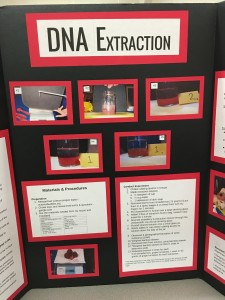
Taste test science fair project
In this activity, you will learn about how you can trick your taste buds—with just a little food coloring! This activity is not recommended for use as a science fair project. Good science fair projects have a stronger focus on controlling variables, taking accurate measurements, and analyzing data. This science fair project has kids conduct a blindfolded taste test to determine how smell influences our ability to taste foods. Loading... My Education.com accounts To switch between accounts click on the account below Log in with different email For more assistance contact customer service Log InSign Up Popular searches: Science Fair Projects - Does our sense of smell and sight affect how food tastes? Taste (Gustation) SAFETY RULES!! Taste only those items that you are directed to taste. Clean up anything that spills. Do not share food items or utensils with others. Be aware of any food allergies that some people may have. Tasty Buds For grades 3-12
Taste test science fair project. the independent variables are: cucumbers, peppermint candy, mint, green apple, lavander flowers, and grapefruit. the dependent variable is: the effect on taste. the control variables are: always using a blind fold, using the same food in both trials- with the nose plug and without the nose plug. i learned that most of the time we taste and ... In this activity you'll separate the sensations of taste and smell to learn how much each contributes to your recognition of a familiar food. Materials • Jelly beans (at least three different fruit... A taste test is a classic example of one kind of scientific testing situation in which a set of volunteers who can offer feedback on different recipes or techniques may be helpful. Maybe you are exploring gluten-free alternatives or lower-carb or even sugar-free solutions. Science fair projects can introduce children to real life science jobs. In the case of this experiment, the chemistry of making candy and the consumer science of taste testing and individual preferences.
A taste test experiment is a fun at-home experiment for all ages. Younger kids can learn about different flavors and learn the vocabulary to describe them, while older children can figure out for themselves which parts of her tongue are sensitive to which tastes. Taste the water in each of the glasses. Based on your taste test, formulate a hypothesis about how the two sources of water differ. Following the instructions given by the test strip manufacturer, evaluate the tap water for each of the properties that the test strips are designed to evaluate. Record the results for each of the evaluations. In this mammalian biology science fair project, you'll get to study animal behavior, too, using your own pet. You'll focus on the sense of taste and set up taste tests, giving your pet several possible choices of treats. You'll then watch your pet's behavior closely to determine which flavor, brand, or type of treat is his or her favorite. One way to explain about it is the amount of taste buds on our tongues. This taste bud measuring activity can tell why some one is very sensitive to tastes. One key material for the experiment is paper-hole reinforcers, you can find it on Amazon or some office supply stories. To find more science activities for kids about senses, visit 5 Senses ...
Based on your background research you will have your subjects guess the flavor of foods representative of each taste sensation. Prepare the foods. Break the food into small pieces so the subjects do not recognize the flavor based on the texture of the food. Place each sample into a plain paper cup. Choose 10 subjects. Unfortunately, I think this initial taste test revealed that the answer is highly dependent on the individual product. Yes, there are some items where it may make good sense to pay the premium that comes with name-brand products — especially if you hate to sacrifice flavor or quality at the expense of saving a little money. However, the ... The students then compare the observed results to the chance results and make an inference about whether a given student can in fact correctly identify Coke and Pepsi in a blind taste test. Finally, the experiment is critiqued in terms of how well it met the standards for a good experiment. Psychology Taste vs. Smell Experiment. Question: Does smelling one thing and tasting another effect your ability to identify what each is?Hypothesis: If we make someone smell one thing while eating another then they will be unable to identify what they are eating and smelling.Independent Variable: Foods being eaten and smelled Dependent Variable: Subject's ability to identify the food they ...
Students Excel at Kula Elementary Science Fair | Maui Now
The Experiment. The point of this experiment, was simple: Find out if the taste of bottled water is superior enough to justify the extra cost when filtered tap is available. As with my store-brand vs. name-brand taste test challenges, I decided to convene my now very-seasoned panel of experts to sample each of the items in a blind taste test.

16 best images about Science fair on Pinterest | Kool aid ...
Smell and Sight Affect Food Tastes Science Fair Project. Benefits. The science projects & ideas are especially designed to be useful for both Students, Teachers and the entire Family. It helps to develop an interest and understanding in knowing about the scientific laws & principles that constitute our world.

woman near white flowers
Oct 26, 2014 - Explore Sandra Ibarra's board "Taste and Smell Science Experiment" on Pinterest. See more ideas about senses activities, senses preschool, my five senses.

Monochrome, Eiffel Tower, Paris, French Republic.
Quick and easy science fair projects can be as simple as doing a taste test to see which taste is preferred by either people or animals. These projects are easy to do and don't cost much money. One of the most impartial testers is the family dog. Offer your dog two different brands of dog food and see which is preferred.
.jpg)
Ms. Seeley's Fourth Grade: Science Fair 2014
The question I investigated was, in a blind taste test, can a person tell the difference between skim, 2% and whole milk. My hypothesis was yes, I believe most people can tell the difference between skim, 2%, and whole milk in a blind taste test. I chose this as my hypothesis because I think all three types of milk have a very distinct taste.

The Science Fair with Chocolate Chip Cookies, Oh My!
The 5 Senses. As humans, we have five tools that help us explore the world around us - sight, hearing, smell, taste, and touch. Our eyes, ears, nose, mouth, and skin gather a lot of information about the world; they help protect us and help us enjoy life! Not everyone is born with all of these senses.

28 best images about Nervous system on Pinterest
Pour a couple of inches of juice into each cup so that you have 20 cups of red juice, 20 cups of green juice, and 20 cups of uncolored juice. Place one cup of each color of juice in front of a test subject. Ask your subject to taste the red juice and tell you what flavor it is.

Science Fair Project - Kindergarten | School ideas ...
This post is part of the series: Fun and Simple Science Projects. The simple science projects in this series are easy to do - and they're fun too! They include chewing gum science projects, soda pop science projects, magnet science projects, and making a DNA model for part of a science project. 3 Middle School Science Projects: Soda Pop Science

Architecture, Newcastle University Campus, Newcastle Upon Tyne, Tyne & Wear, England.
Disclaimer and Safety Precautions Education.com provides the Science Fair Project Ideas for informational purposes only. Education.com does not make any guarantee or representation regarding the Science Fair Project Ideas and is not responsible or liable for any loss or damage, directly or indirectly, caused by your use of such information.

The Show Me Librarian: Food Science
Science Fair Projects Everyone knows popcorn is a great tasting snack, but it is also a fascinating food and great subject for your science fair or school project. Take a look through these sections for helpful information.

Science Fair Projects - Beverage coloring and taste ...
Middle School, Measure Taste, Smell, and Texture Science Projects (24 results) Use your own senses (and sometimes those of volunteers) of taste, smell, and perceiving texture as a way to gather data for your own experiment cooking food or making a product. Improve a cooking recipe, separate water from fruit juice, or make skunk odor remover.

1000+ images about Education on Pinterest | Rounding ...
Science Fair Projects - Does our sense of smell and sight affect how food tastes? Taste (Gustation) SAFETY RULES!! Taste only those items that you are directed to taste. Clean up anything that spills. Do not share food items or utensils with others. Be aware of any food allergies that some people may have. Tasty Buds For grades 3-12
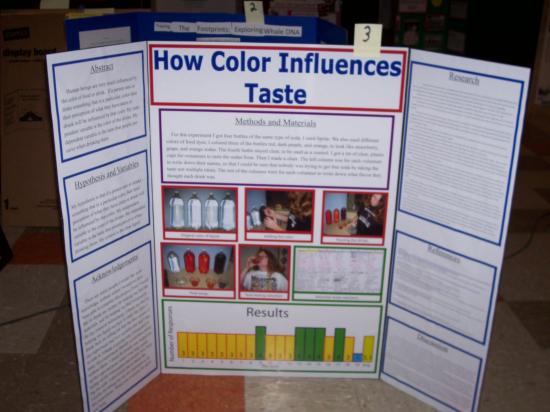
Can Our Eyes Fool Our Taste Buds? Science Fair Project ...
This science fair project has kids conduct a blindfolded taste test to determine how smell influences our ability to taste foods. Loading... My Education.com accounts To switch between accounts click on the account below Log in with different email For more assistance contact customer service Log InSign Up Popular searches:

UGHS science project! Taste without smell - YouTube
In this activity, you will learn about how you can trick your taste buds—with just a little food coloring! This activity is not recommended for use as a science fair project. Good science fair projects have a stronger focus on controlling variables, taking accurate measurements, and analyzing data.

The Agreeable Sisters: Science Fair 2013
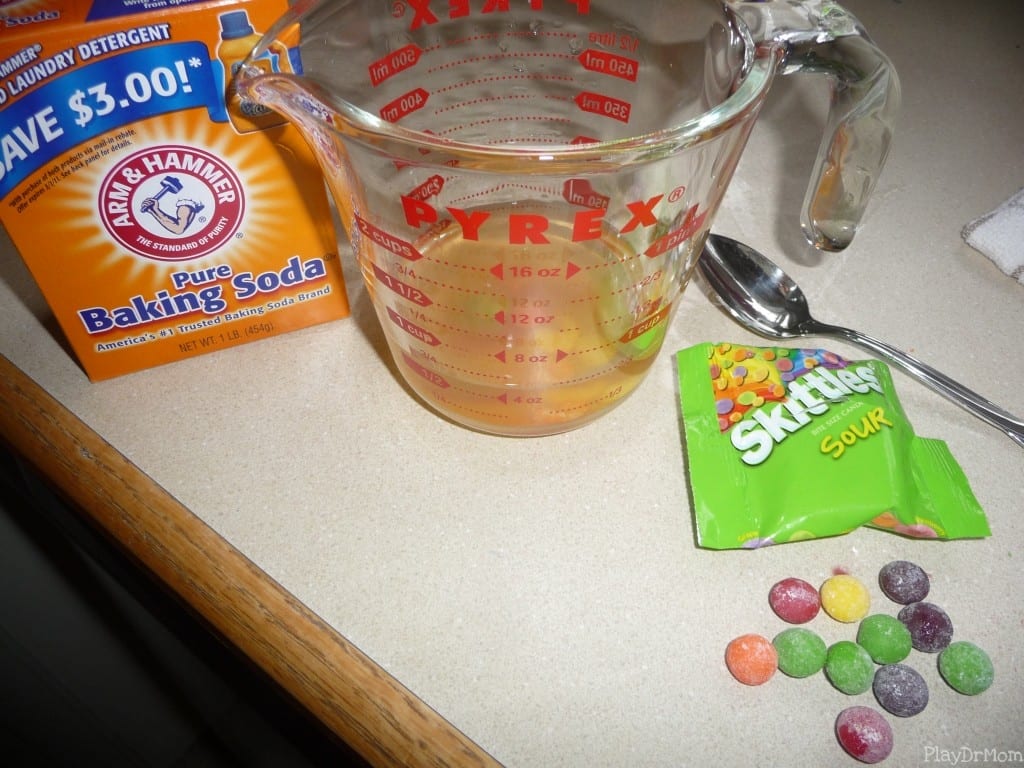
Best Halloween Candy Experiments - WeAreTeachers
unknown

Skittles Science Candy Experiment and STEM Activity

Eiffel Tower, Paris, French Republic.

Taste Areas of the Tongue | Herb Gardening | Science facts ...

Skittles Science Candy Experiment and STEM Activity

gummy bears | Homeschool science, Gummy bears, Science

Erica's Ed-Ventures: Apples! | Apple lessons, Apple ...

15 Fun Taste Test Science Experiments for Kids - Fantastic ...

Sweet Science Fair Project

Sweet Science Fair Project

Modern Architecture, Newcastle University Complex, Newcastle Upon Tyne, Tyne & Wear, England.
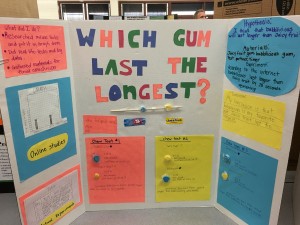
Students Excel at Kula Elementary Science Fair | Maui Now

Molly Shea Pitts: Science Fair Project

Eiffel Tower...Tightrope walking
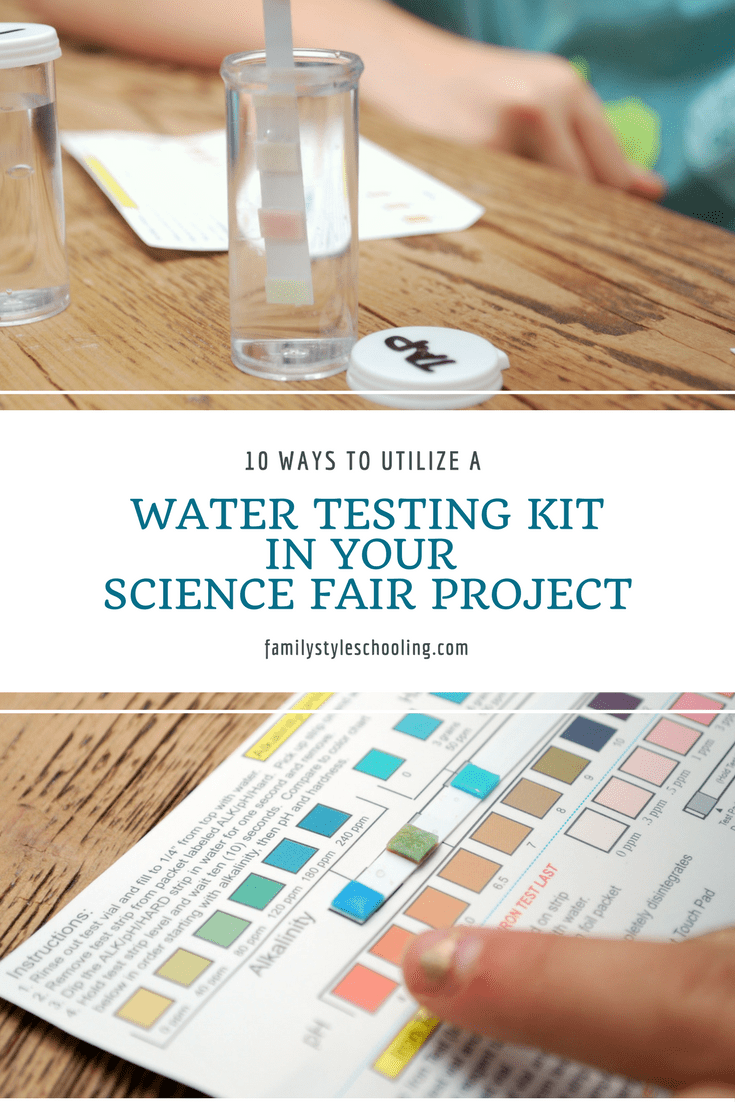
10 Ways to Utilize a Water Testing Kit in a Science Fair ...

Science Fair Project: Which Chocolate Chip Tastes the Best?

Taste Test

Skittles Taste Test Experiment - YouTube

Food Allergy Science Fair Project | Peanut allergy mom ...
.jpg)
Ms. Seeley's Fourth Grade: Science Fair 2014

Elementary Science Fair! - Immersed

Modern Architecture, Newcastle University Complex, Newcastle Upon Tyne, Tyne & Wear, England.

Photos | University of Utah Science & Engineering Fair

Sweet, Sour, Salty, and Bitter Foods | Science project ...
0 Response to "40 taste test science fair project"
Post a Comment